
OXYGEN’s Real-Time Power Analysis
Modern electrical systems are becoming increasingly dynamic. Whether testing electric drives, inverter systems, or power electronics, engineers often need measured feedback almost instantly. Especially in control and automation environments, even small delays can make a significant difference. To address these challenges, OXYGEN now includes Real-Time Power Calculation – a new functionality that enables extremely fast power analysis with ultra-low latency.
What Is OXYGEN Real-Time Power Calculation?
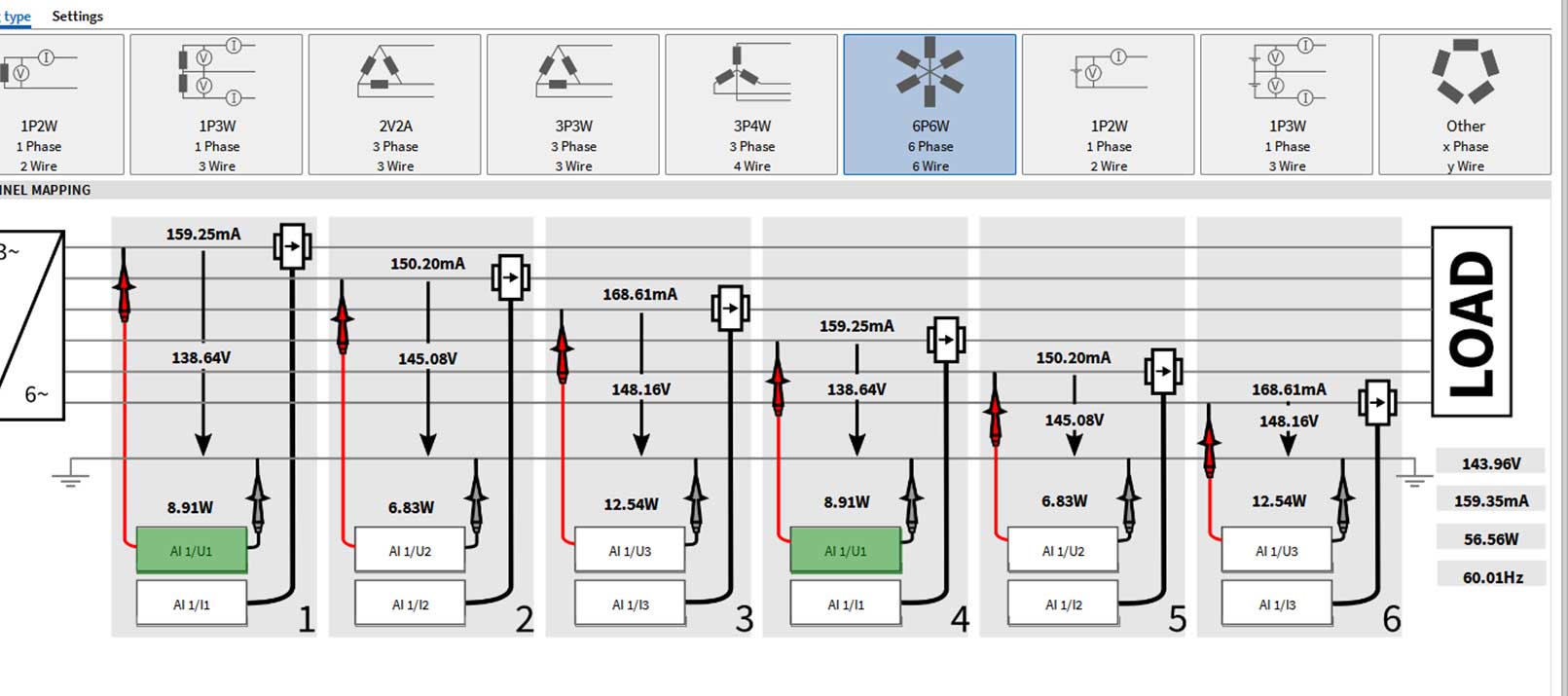
The new Realtime tab inside OXYGEN’s Power Group tool extends the existing Power Analysis functionality with real-time capable power calculations. It is directly integrated into the Power Group tool and enables calculations with update rates of up to 1 kHz, and a typical I/O latency of only 2 ms.
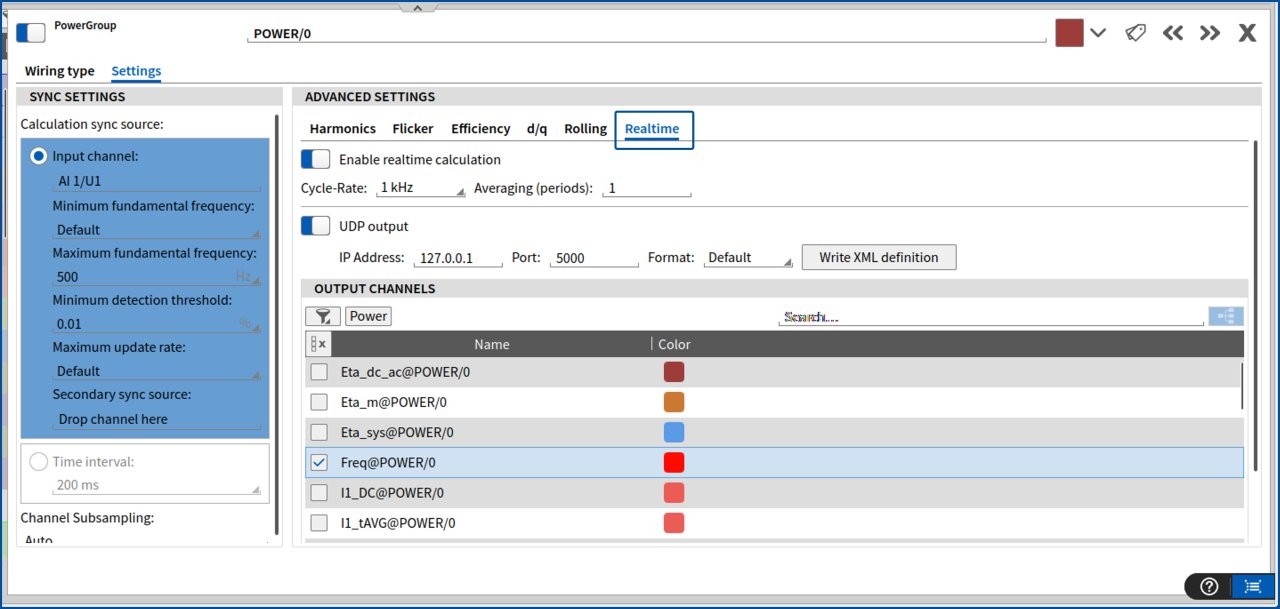
Fig. 1: Real-time option within OXYGEN’s Power Group tool
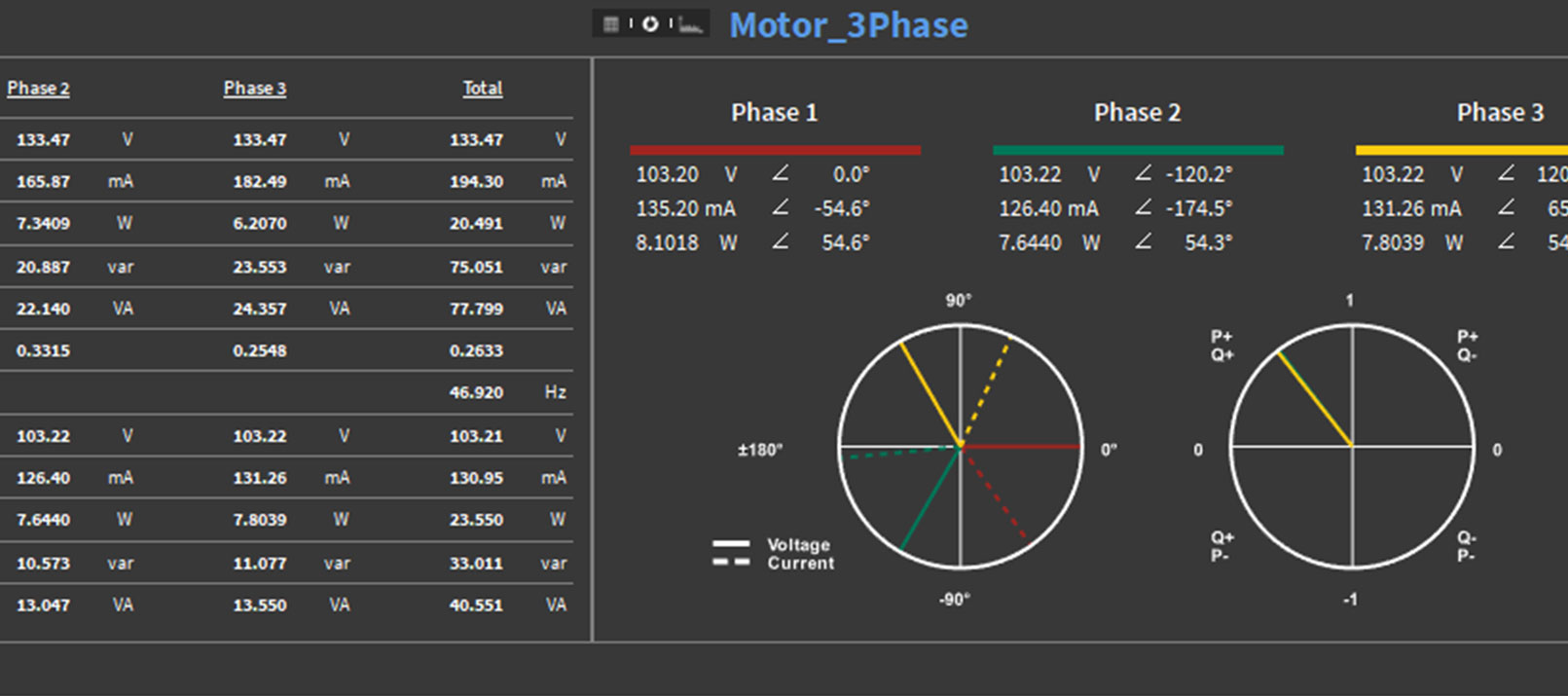
OXYGEN’s Real-Time Power feature supports nearly all available wiring configurations (except Others) and provides a wide range of calculated values, including:
- Voltage values (RMS, average, peak-to-peak)
- Current values (RMS, average, peak-to-peak)
- Active, reactive, and apparent power
- Power factor
- Real-time waveform data
Depending on the selected Power Group configuration, additional values such as DC power, mechanical power, or efficiency calculations are also available.
Although the setup and configuration are handled directly within the standard Power Group tool, the real-time calculations themselves run independently from the conventional Power Analysis engine. All calculated values are forwarded via UDP communication, making them immediately available for external systems, control applications, or even for further processing inside OXYGEN itself.
Note: Requires software option OXY-OPT-POWER-RT
Why Low-Latency Power Analysis Matters
In many applications, power values are not only used for monitoring or later analysis. They are part of active systems that need to react immediately. Typical examples include:
- inverter control,
- electric drive testing,
- hardware-in-the-loop (HIL) systems,
- transient detection,
- and fast protection mechanisms.
In these environments, delayed feedback can reduce synchronization accuracy between the measurement system and the device under test. Real-time power calculations help minimize this delay and allow systems to respond much faster to changing electrical conditions. This makes OXYGEN’s Real-Time Power Analysis especially useful for dynamic and time-critical applications.
Real-Time vs. Standard Power Analysis
At first glance, it may seem like Real-Time Power Calculation simply replaces our standard power analysis but in reality, both approaches serve different purposes.
The real-time functionality focuses on delivering the most important power values with extremely low latency. This is ideal for fast control loops and dynamic systems.
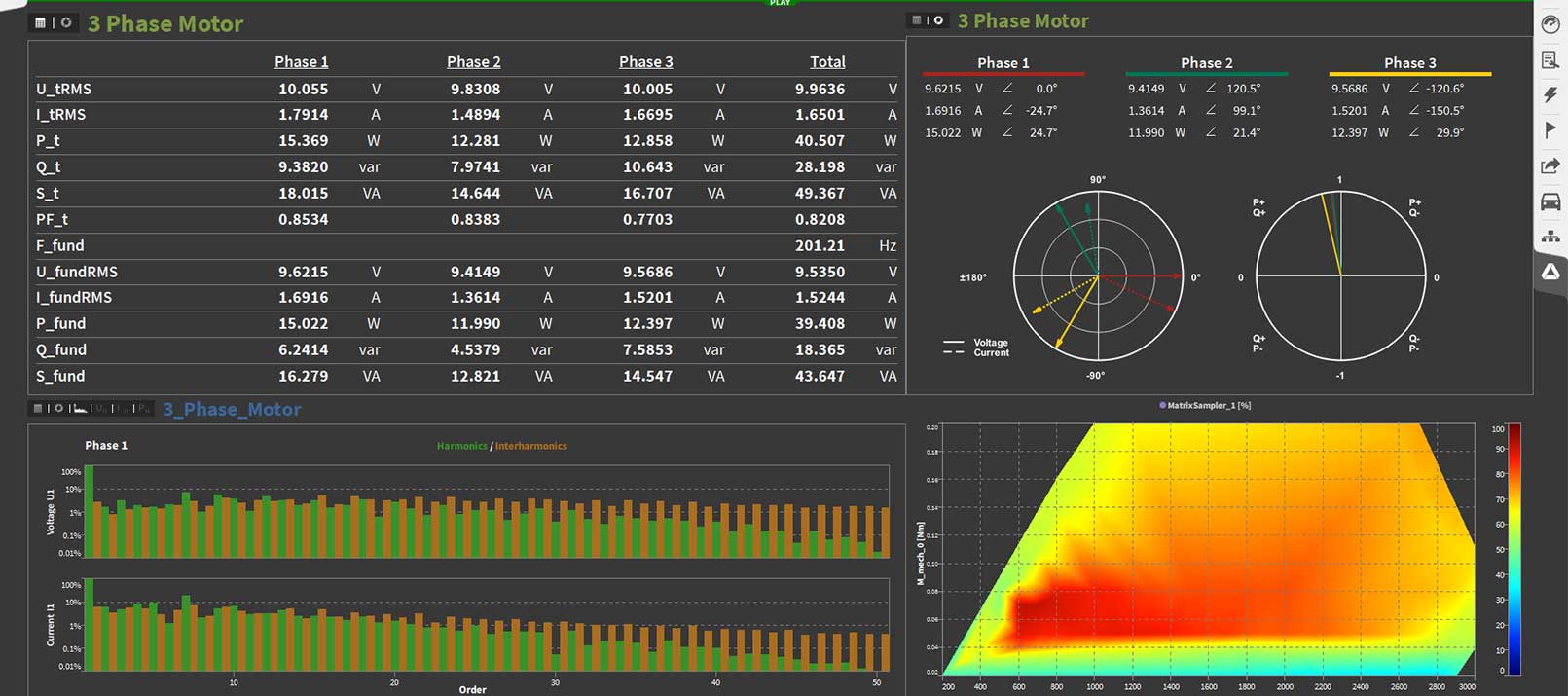
The standard Power Analysis in our OXYGEN measurement software, on the other hand, focuses on advanced analysis and flexibility. It offers a much broader range of functions, including:
- Harmonics and interharmonics analysis
- Supraharmonics
- Symmetrical Components
- Flicker analysis
- DQ analysis
It also supports more extensive communication and integration options such as CAN, TCP/IP, XCP, or OPC UA, alongside advanced logging and post-processing capabilities. Another important difference is operating system flexibility. While the standard Power Analysis is available on all operating systems supported by OXYGEN, the Real-Time Power Calculation currently requires Ubuntu 24.04 to ensure deterministic real-time performance.
The main trade-off is latency. While Real-Time Power Calculation operates with a typical delay of around 2 ms, our standard power analysis typically works in the range of approximately 300 ms.
Using Real-Time and Standard Power Analysis Together
One of the advantages of the implementation in our OXYGEN measurement software is that both approaches can be used simultaneously. This means users can:
- use Real-Time Power Analysis for fast feedback and control applications,
- while also performing detailed power quality analysis using the standard Power Analysis tools.
For many modern test setups, this combination offers the best of both worlds: immediate response together with comprehensive analysis capabilities.
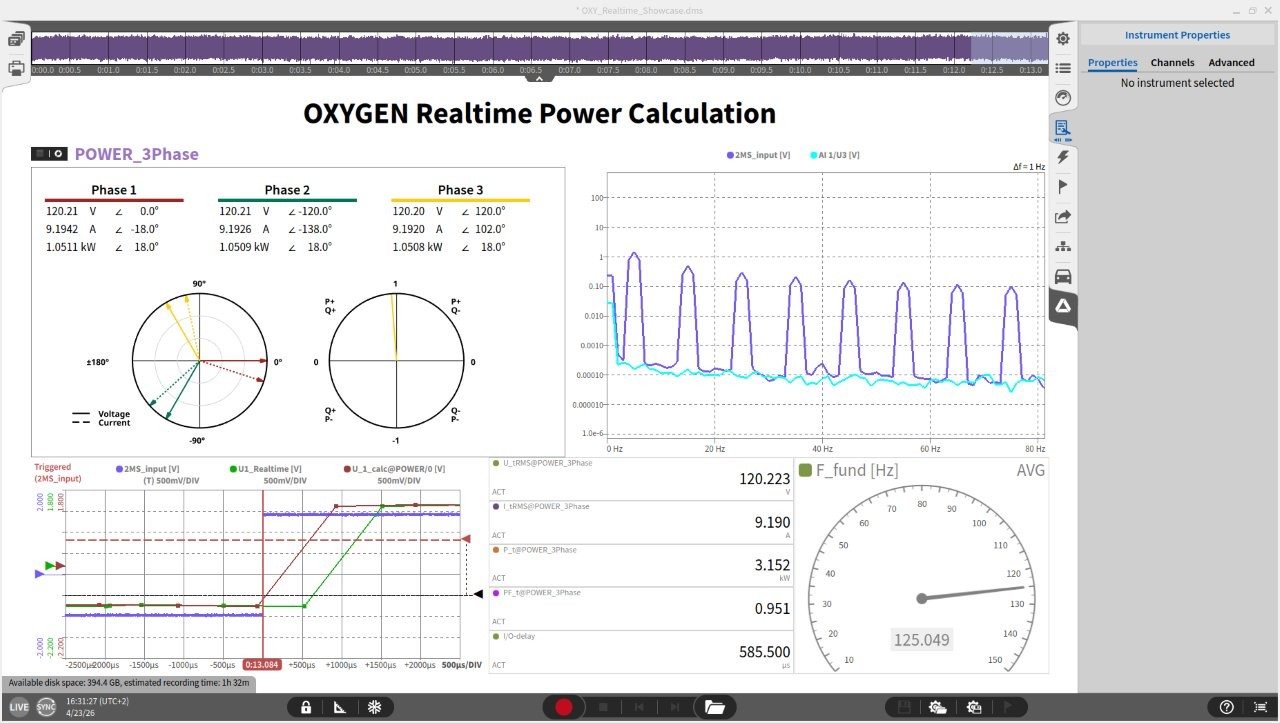
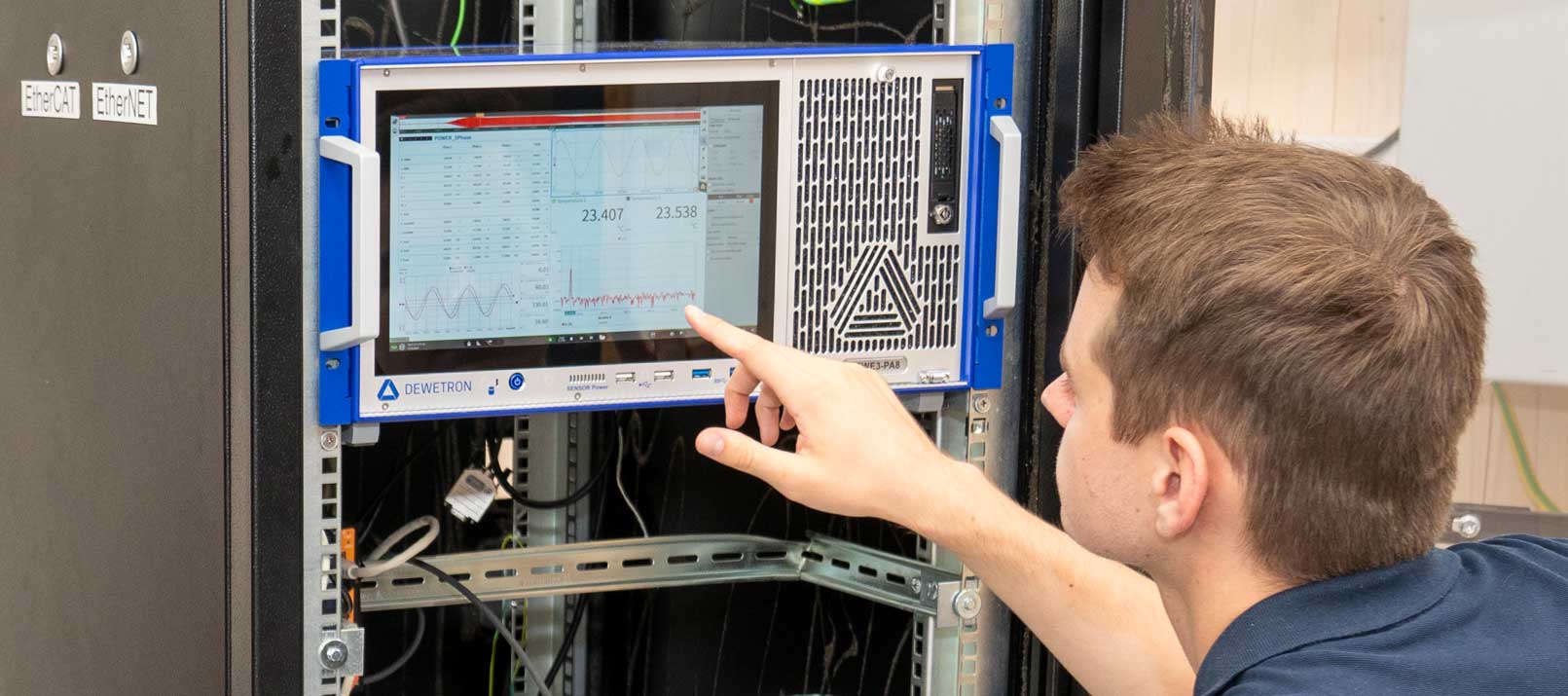
Fig. 2: Real-time power measurement with OXYGEN
Which Approach Is Right for Your Application?
The answer mainly depends on the priorities of the application. If the focus is on deterministic timing, fast reactions, and low-latency feedback, then Real-Time Power Analysis is the better choice. If the application requires detailed power quality analysis, extensive communication interfaces, long-term logging, or advanced post-processing, then the standard Power Analysis remains the ideal solution. And in many cases, combining both approaches provides the greatest benefit.
Conclusion
With the “Real-Time Power Calculation” option, OXYGEN expands its Power Analysis capabilities toward fast and reliable measurement applications. It enables power values to be calculated and transmitted within only a few milliseconds, making it well-suited for dynamic systems and closed-loop environments.
At the same time, OXYGEN’s established Power Analysis tools continue to provide the advanced analysis functions needed for detailed power quality investigations. Together, they create a flexible solution that supports both fast real-time response and comprehensive analysis within a single software environment.